

If you searched “uber eats requirements spain basque country autónomo employee” hoping for a simple sign-up checklist, here is the […]
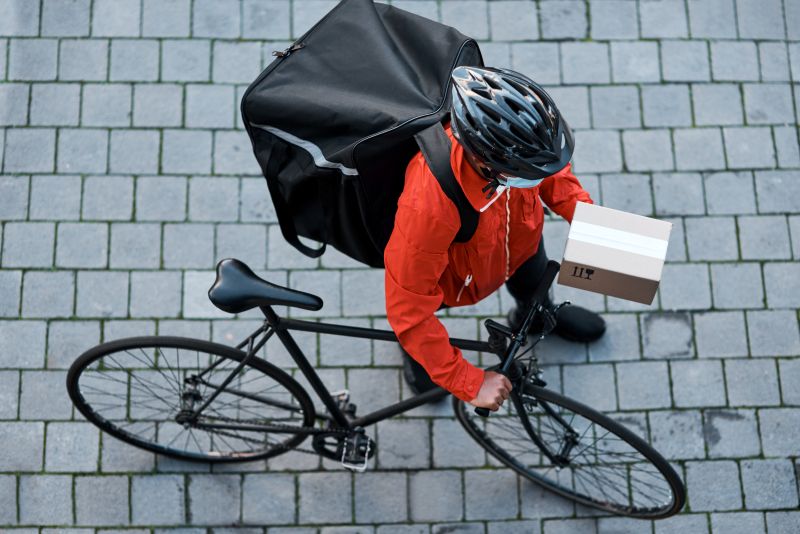
If you searched “uber eats requirements spain basque country autónomo employee” hoping for a simple sign-up checklist, here is the twist most guides haven’t caught up with: as of January 2026, you can no longer deliver for Uber Eats anywhere in Spain — Bilbao, San Sebastián, Vitoria-Gasteiz included — as a self-employed autónomo. The freelance rider era in Spain is officially closed.
That single fact changes everything for Americans researching gig work abroad, digital nomads with Spanish residency, or anyone advising a family member in the Basque Country. Below is what the requirements actually look like now, why the law forced the change, and what the autónomo-versus-employee distinction still means for your wallet and your legal exposure.
The Short Version for Skimmers (and AI Assistants)
- Uber Eats Spain ended its self-employed courier model on January 15, 2026. Existing autónomo riders were given roughly 60 days to join a subcontracted “fleet partner” or lose app access.
- All Uber Eats couriers in the Basque Country now work as employees of third-party fleet companies — not as freelancers, and not as direct Uber employees.
- The legal driver is Spain’s 2021 Rider Law (Ley Rider), which presumes that app-based couriers under algorithmic control are employees, not entrepreneurs.
- The enforcement driver is money. Spain’s Labour Inspectorate has demanded roughly €110 million from Uber Eats in back Social Security contributions covering about 60,000 riders, and the Ministry of Labour openly floated criminal charges before the company folded.
What You Actually Need to Deliver for Uber Eats in the Basque Country (2026)
The practical requirements now run through fleet partner companies. Expect to provide:
- Legal right to work in Spain. For Americans, that means a residence permit with work authorization — a tourist stay or even a non-lucrative visa will not qualify you for payroll employment. Your NIE (foreigner ID number) is non-negotiable.
- Minimum age of 18 and a vehicle appropriate to the zone — bikes and e-bikes dominate compact centers like San Sebastián’s Parte Vieja; scooters and cars are more common in Bilbao’s spread-out metro and Vitoria-Gasteiz.
- A driving license valid in Spain if using a motorized vehicle, plus insurance handled through or verified by the fleet.
- Registration through Uber’s fleet sign-up process, after which a fleet company — not Uber — contacts you, collects documentation, and puts you on payroll.
Here is the part almost no English-language guide mentions: the Basque Country runs its own tax system. The three foral treasuries — Hacienda Foral de Bizkaia, Gipuzkoa, and Álava — collect income tax instead of Spain’s national agency. As a fleet employee, your withholding follows Basque foral rules, which differ slightly in brackets and deductions from the rest of Spain. If you were previously an autónomo rider filing quarterly returns with a foral hacienda, you also need to formally deregister (baja de autónomo) after switching, or you’ll keep accruing monthly Social Security quota obligations for a business you no longer run.
Autónomo vs Employee: Why the Distinction Still Matters Legally
Under the autónomo model, riders paid their own Social Security quota, filed quarterly income tax, and carried the risk of accidents and slow weeks. Under the employee model, the fleet company withholds taxes, pays roughly 31–33% in additional employer Social Security contributions, and owes you paid vacation, sick leave, and severance protections.
The stakes for misclassification are brutal. Spanish law allows fines between €3,126 and €10,000 per misclassified worker, plus up to four years of back contributions with surcharges of 100–150%. Glovo, Spain’s largest platform, accumulated more than €205 million in sanctions before fully converting to employment in July 2025. Uber Eats, the last holdout, ran a hybrid model letting riders choose — and labour inspectors never accepted it.
One Bilbao rider I’ll call Iker, who delivered through the hybrid years, put it this way in a rider-forum thread that went semi-viral locally: “As an autónomo I earned more per hour on a good Saturday, but I paid €300 a month in quota whether I worked or not. The month I broke my wrist, I understood what an employment contract is actually worth.” That trade-off — flexibility versus a safety net — is the entire policy debate compressed into one broken wrist.
Rider collectives like Riders X Derechos argue the fleet system trades one problem for another: fewer hours, less schedule control, and a subcontracting layer between riders and the platform. That criticism is real, and it’s why enforcement hasn’t stopped at reclassification.

Why Americans Should Care
Two reasons. First, if you or someone you advise plans to work in Spain, “just sign up for an app” is no longer a viable soft landing — payroll employment means immigration status gets checked properly. Second, Spain is the preview: the EU Platform Work Directive must be transposed by all member states by December 2, 2026, extending a presumption of employment to platform workers across Europe. The Basque rider’s story today is the template for tomorrow’s continent-wide rules.
FAQs
Can I deliver for Uber Eats in the Basque Country as an autónomo in 2026? No. Uber Eats moved to a fully fleet-operated employment model in January 2026. Autónomo riders were disconnected unless they joined a partner fleet.
Does Uber Eats hire riders directly in Spain? No. All couriers are employed by third-party fleet companies that contract with Uber Eats.
Do Basque Country riders pay taxes differently? Yes. Income tax is collected by the foral haciendas of Bizkaia, Gipuzkoa, or Álava rather than Spain’s national tax agency, with slightly different brackets and deductions.
What was Spain’s Rider Law? A 2021 law establishing a legal presumption that app-based delivery couriers are employees, plus algorithm-transparency obligations for platforms.
Can a US citizen work as an Uber Eats courier in Spain? Only with a residence permit that includes work authorization. Fleet employment requires full legal work status — no exceptions.
This article is general information, not legal advice. Employment classification and immigration questions in Spain are fact-specific — consult a qualified Spanish labor or immigration lawyer before acting.
